
Review · USA
Oahu: Traditional Canoe Sunset Cruise with Dinner
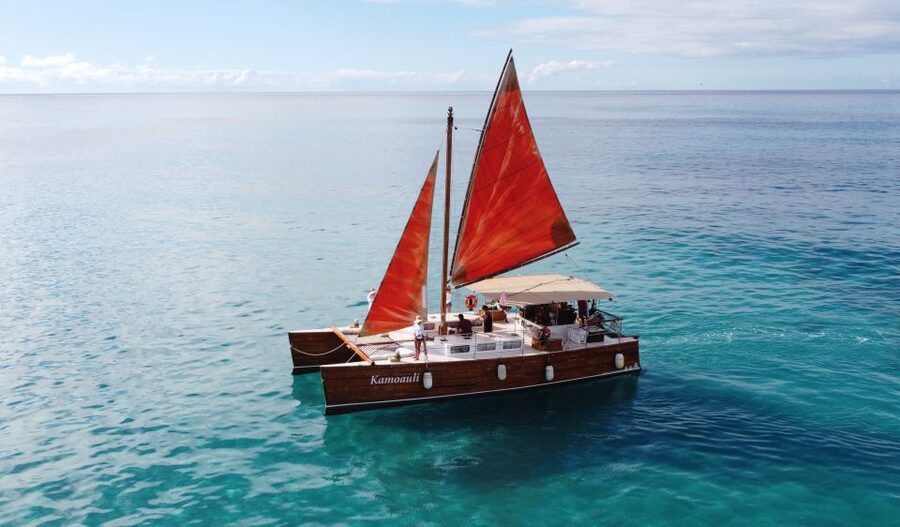
The best part of this Honolulu outing is the boat itself. You sail Waikiki’s coast on a 44-foot Polynesian voyaging canoe, not a standard tour boat, while Hawaiian stories and songs give the sunset views some meaning. I like the small six-person group, which leaves room for questions and hands-on activities. I also like the mix of sailing, food, poi-making, lei-making, and hula rather than one long talk.
The main drawback is the price: $250 per person is a serious spend for 2.5 hours, especially since hotel pickup is not included. You also need to find the less obvious meeting point at Kewalo Harbor, and the trip can be canceled in bad weather.
Key things to know before you go
- A real Polynesian canoe: The 44-foot wooden canoe is the setting for the whole evening, with open decks and nets where you can relax above the water.
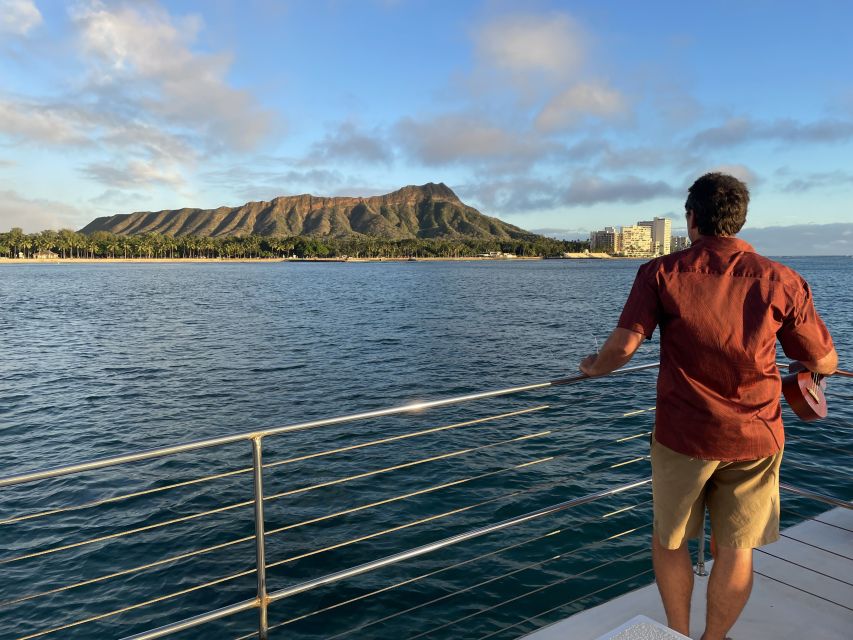
- A route with a clear sense of place: You sail from Kewalo Basin toward Diamond Head, with Waikiki and the Honolulu coast in view.
- Hands-on Hawaiian activities: You can help make poi, create a lei, and take part in a hula lesson instead of only watching a performance.
- A cultural welcome: An ‘oli chant begins the outing, followed by Hawaiian stories, songs, and explanations of island traditions.
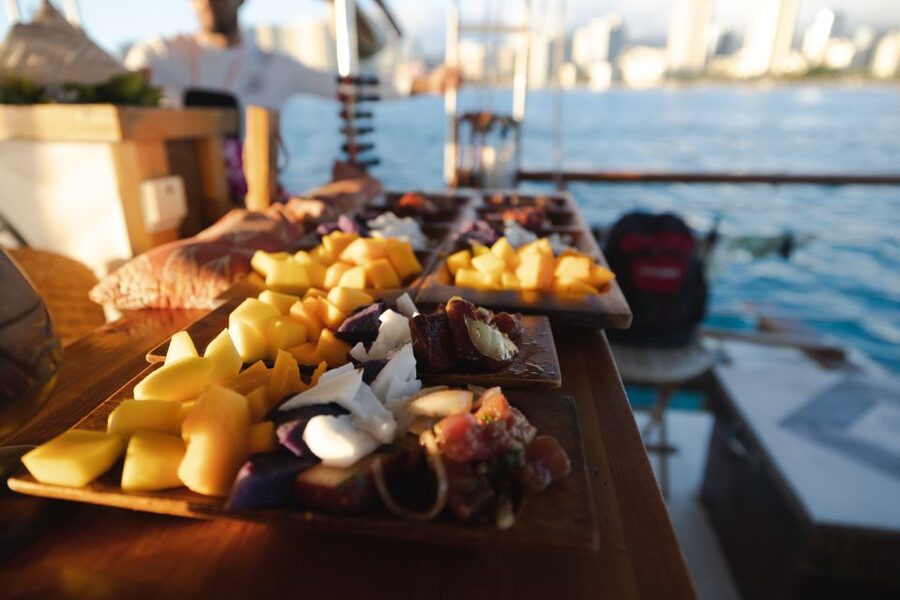
- Food served on the water: Dinner includes local pupus and traditional Hawaiian food and drinks.
- A very small group: With space for up to six participants, the crew can give the activities more personal attention.
Why the canoe makes this sunset cruise different
Many Waikiki boat trips are built around the view. This one uses the view as part of a wider cultural lesson. The canoe gives you a slower, more intimate way to see Honolulu from the water, and the wooden deck and open sides keep you close to the sea.
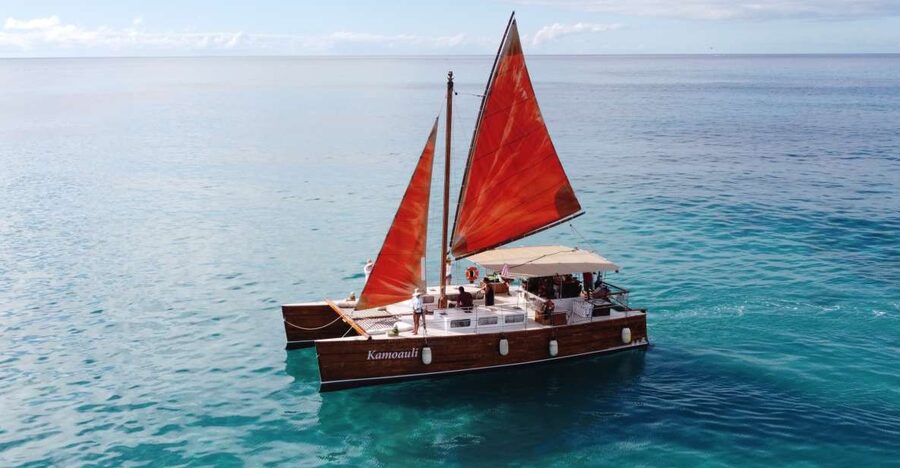
The vessel is 44 feet long, large enough for the included safety gear, crew, instructor, food, and activities, but still small enough to feel personal. You are not being moved through a large dinner crowd. Instead, you can sit on the deck, take part in a lesson, or stretch out in the canoe’s nets while the coast passes by.
That setting matters. Hawaiian voyaging canoes are tied to navigation, community, and movement between islands. The activity does not present a technical sailing course, but the canoe gives the stories a fitting home. You are hearing about Hawaiian traditions while traveling in a craft made for life on the Pacific.
I also like that the sunset is not treated as the entire point of the trip. The changing light over the water is a bonus, while the central focus remains the people, food, songs, and activities onboard.
More Sunset Dinner Cruises in the USA
- Key West Sunset Cruise: Dinner, Live Music & Drinks Included
★ 4.5 · 1,707 reviews - Sunset Dinner Cruise in Honolulu, Hawaii
★ 4.0 · 1,023 reviews - Maui Premium Sunset Dinner Cruise from Ka’anapali Beach
★ 5.0 · 903 reviews
Finding Kewalo Harbor before departure
The meeting point is at the back of Kewalo Harbor, by the entrance to the surf park at Pier D-106. It is against the ocean, not at the front of the harbor by the street.
This is the sort of detail that can save you from a rushed start. Give yourself time to locate the correct side of the pier. Hotel pickup and drop-off are not included, so you need to arrange your own way to the harbor.
The excursion usually runs in the afternoon and evening, with a duration of 2.5 hours. Since the schedule is built around sunset, check the exact departure time when you book. Bring sunglasses, a sun hat, and sunscreen. You will want those items even on an evening trip because the early part of the outing may still have strong sun.
The operator provides safety gear, crew, an activity instructor, food, and drinks. Smoking, alcohol, and drugs are not allowed. Bad weather can cancel the trip, with a full refund for that cancellation.
Boarding with an ‘oli chant
The evening begins with a Hawaiian ‘oli chant as you board. This welcome gives the tour a clear cultural starting point instead of dropping you straight into snacks and sightseeing.
An ‘oli is a traditional chant, and here it helps set the tone for the outing. You are being invited onto the canoe as part of a shared experience, not simply checking in for a cruise. The English-speaking instructor then helps place the islands, their stories, and their traditions in context.
The language level should work well for anyone who wants a cultural introduction without signing up for a long lecture. The format combines spoken history with songs and activities, so the evening keeps moving. If you have questions, the small group should make it easier to ask them without shouting across a crowded boat.
One practical point: the information available does not name the individual guides. You should expect an English-speaking crew and a dedicated activity instructor, but do not book this expecting a particular named host.
Sailing from Kewalo Basin toward Diamond Head
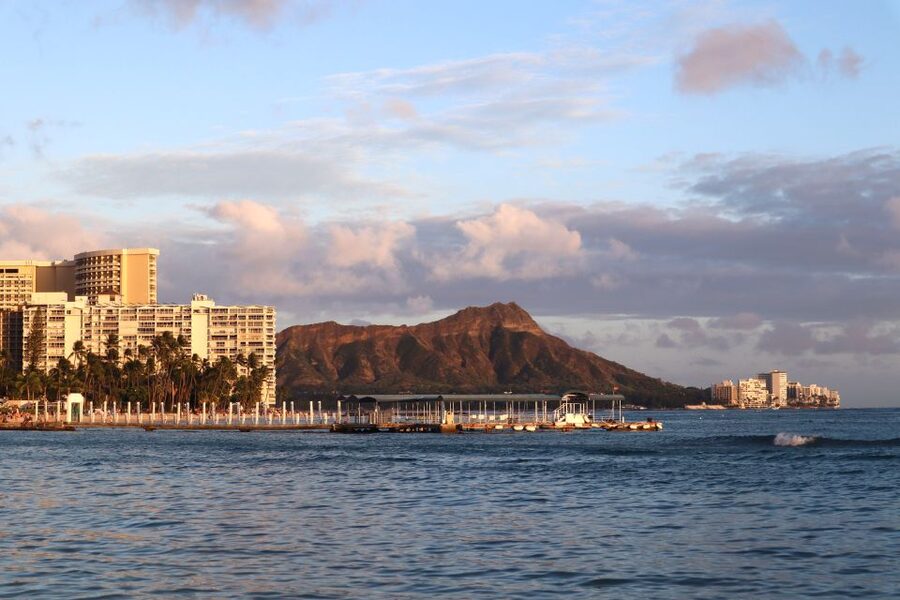
Once underway, the canoe follows the coast from Kewalo Basin toward Diamond Head. You get a water-level view of Honolulu, the Waikiki coastline, and the ocean beyond.
The route is especially useful if you have already seen Waikiki from land. From the canoe, the familiar coastline takes on a different shape. You can look back toward the city, watch the light change across the water, and spot ocean wildlife if conditions allow.
The canoe has spacious wooden decks, and its nets offer one of the most distinctive places to sit. Lying in the nets lets you feel the movement of the water beneath you, though you may prefer the solid deck when food or activities begin.
The tour does not promise a specific wildlife sighting, so treat marine life as a possibility rather than the main reason to book. The strongest part of this route is the combination of coastline views and cultural instruction. You are not racing from one attraction to another. You are spending time on the water and learning why the canoe matters.
The motion of the ocean can also affect your comfort. No special seasickness information is provided, so if you are sensitive to boat movement, bring any usual remedy and choose a stable place on deck.
Same water, a different table:
- New Orleans Steamboat Natchez Jazz Cruise with Dinner Option
★ 4.0 · 7,533 reviews - New Orleans: Evening Steamboat Jazz Cruise + Optional Dinner
★ 4.3 · 4,548 reviews - Paddlewheeler Creole Queen Jazz Dinner Cruise in New Orleans
★ 4.0 · 1,469 reviews - City Cruises New York: Bateaux Premier Dinner Cruise
★ 4.5 · 1,371 reviews
Making poi and tasting local pupus
Food is part of the lesson, not just a meal served at the end. You learn how to make authentic poi, then try local pupus and other traditional Hawaiian food and drinks.
Poi has an important place in Hawaiian food culture, and making it yourself gives the dish more context than sampling a spoonful at a buffet. The activity is hands-on, but the supplied details do not specify the exact ingredients, recipe, or amount of food. Think of the meal as a cultural tasting and dinner experience rather than a menu-driven fine-dining cruise.
Pupus are local snacks or small dishes, making them a good fit for a moving canoe. You can try several tastes while listening to stories and taking part in the program. The drinks are included, but the exact options are not listed.
I see real value in this part of the tour. Food can make a cultural lesson stick, especially when you have handled one of the dishes yourself. Still, if you need a large dinner, have strict dietary requirements, or want a detailed published menu, confirm the food arrangements before paying.
Learning lei-making and hula onboard
The activities continue with lei-making and a hula lesson led by the onboard teacher. These are not passive stage shows. You are given a chance to make something with your hands and try basic movement with guidance.
Lei-making works well in a small group because the instructor can demonstrate and help as you go. You leave with the memory of creating something connected to Hawaiian welcome and celebration, though the provided information does not specify the materials or whether the finished lei is yours to keep.
The hula lesson adds another layer. Hula is not simply a dance used to fill a tourist program. It can carry stories through gesture, rhythm, and posture. The lesson gives you a simple way to take part, even if you have no dance experience.
Do not expect a formal performance course. This is a short activity within a 2.5-hour cruise, shared with other participants and fitted around sailing, food, and storytelling. That is also its strength. You get a friendly introduction without turning the evening into a demanding class.
Stories and songs that give the islands context
The crew shares ancient stories and the history of the Hawaiian Islands through storytelling and songs. This is one of the most praised parts of the experience, and I understand why. A sunset view can be beautiful, but it is easier to remember when you know something about the people and traditions connected to the place.
The program is educational without being presented as a classroom. You hear stories while the canoe moves, then shift to food or a craft activity. That variety should suit you if you want more than a sightseeing ride but do not want a full museum-style lecture.
One previous participant specifically valued the historic lesson and the chance to taste traditional Hawaiian cuisine. An eight-year-old child reportedly felt like Moana on the sailing boat, which gives you a useful clue about the family appeal. The experience can work for children, but participation in the hands-on activities and comfort around boats will matter more than age alone.
The content will likely be most useful to first-time visitors seeking an introduction to Hawaiian culture. If you already have extensive knowledge of Hawaiian traditions, you may find the presentation basic. The benefit is that it combines several elements in one evening and keeps the tone active.
How the small group affects the experience
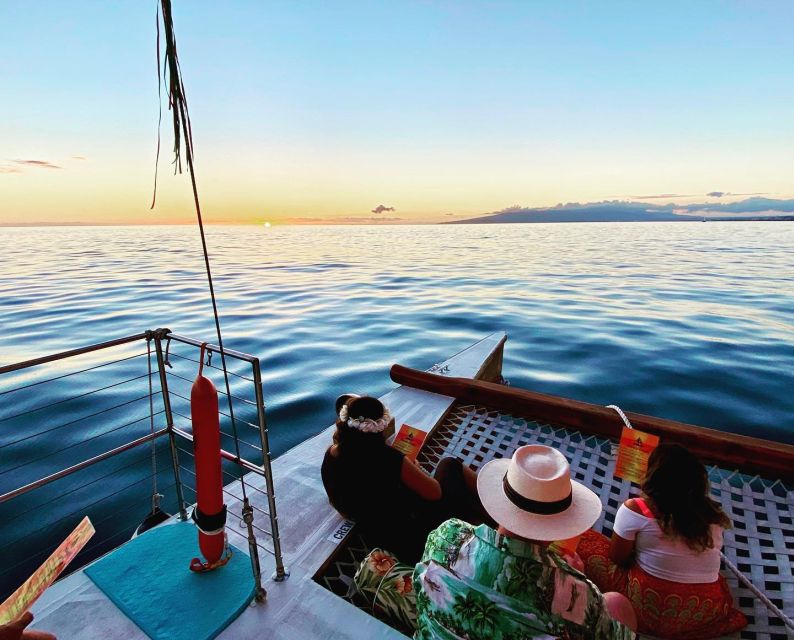
The canoe is limited to six participants. That is a major selling point at this price because the activities depend on personal attention.
In a large group, a lei-making demonstration or hula lesson can become hard to follow. Here, you have a better chance of seeing what the instructor is doing, asking questions, and getting help with poi or crafts. The group size also makes the storytelling easier to hear.
Small groups are not perfect for everyone. If you prefer to remain anonymous, you may find the close format more social than a standard cruise. You will share the deck, food, activities, and conversation with the other people onboard.
The limited capacity also helps explain the cost. At $250 per person, you are paying for more than a seat on the water. The price includes the canoe tour, crew, safety gear, instruction, food, drinks, and a cultural program for a maximum of six people. It is not a bargain sightseeing cruise, but it can be reasonable if you value direct instruction and a less crowded setting.
Who gets the most value for $250
I would recommend this to you if you want a single evening that combines scenery, food, cultural context, and participation. It is a strong choice for couples, families, and small groups who would rather learn and make things than watch a standard luau from a table.
The experience also suits first-time visitors who want a gentle introduction to Hawaiian traditions. The English instruction, short duration, and mix of activities make it approachable. Families should note the positive account of an eight-year-old enjoying the canoe, but the program still takes place on the ocean, so each family must judge its own comfort level.
I would hesitate if your main goal is a large meal, swimming, snorkeling, or a high-energy party cruise. None of those are the focus here. You are paying for a cultural sailing experience, not a water-sports outing.
The weather policy is important. The trip may be canceled for safety if conditions are poor, with a full refund. That is sensible for an open canoe, but it means you should avoid placing this activity on the final evening of a short trip if rescheduling would be difficult.
What to bring and how to prepare
Keep your packing simple:
- Sunglasses
- Sun hat
- Sunscreen
Wear something comfortable for sitting on a wooden deck and taking part in activities. The provided information does not specify a dress code or footwear rules, so contact the operator if you need guidance on those points.
Arrive at the correct area of Kewalo Harbor rather than waiting near the street entrance. Since transportation is not included, allow enough time to reach Pier D-106 and find the ocean-side entrance.
Do not bring alcohol, and remember that smoking is not allowed. Food and drinks are included, so you do not need to plan this as a bring-your-own dinner.
Should you book this canoe cruise?
I would book it if you want a personal, culture-focused evening and can accept the $250 price. The canoe, six-person limit, poi-making, lei-making, hula lesson, songs, and stories create a fuller experience than a simple sunset ride.
I would skip it if you want the lowest-cost way to see Waikiki at dusk or if you need a guaranteed large dinner and a fixed weather-proof schedule. For everyone else, this is a thoughtful way to spend 2.5 hours on the Honolulu coast, especially early in your Oahu stay, when the stories and food can give later sightseeing more meaning.
FAQ
How long is the traditional canoe sunset cruise?
The activity lasts 2.5 hours and is usually offered in the afternoon and evening.
Where does the canoe cruise meet?
Meet at the back of Kewalo Harbor by the entrance to the surf park at Pier D-106, against the ocean. Do not go to the front entrance by the street.
Is hotel pickup and drop-off included?
No. You must arrange your own transportation to and from Kewalo Harbor.
How many people can join the cruise?
The group is limited to six participants.
What activities are included onboard?
You can take part in poi-making, lei-making, and a hula lesson. The program also includes storytelling and songs about Hawaiian history and traditions.
What food and drinks are included?
Food and drinks are included, including local pupus and traditional Hawaiian food. Poi-making is also part of the experience.
Is the activity conducted in English?
Yes. The instructor and activity program are in English.
What should I bring?
Bring sunglasses, a sun hat, and sunscreen.
What happens if the weather is bad?
For safety reasons, the excursion may be canceled in bad weather. If it is canceled for that reason, you receive a full refund. You can also cancel up to 24 hours in advance for a full refund.
More Canoe and Kayak Trips in the USA
- North Myrtle Beach: Dinner Cruise on a Paddle Wheel Boat
★ 4.5 · 149 reviews - Phang Nga Bay Sunset Cruise Dinner with Sea Canoe and Loy Krathong from Phuket
★ 5.0 · 3 reviews
New on the dinner-cruise list around the USA
- Washington DC: Christmas Eve Gourmet Brunch or Dinner Cruise★ 4.2 · 6 reviews
- Kenai Fjords National Park Glacier Dinner Cruise from Seward★ 4.5 · 56 reviews
- Savannah Riverboat Gospel Music Dinner Cruise★ 5.0 · 112 reviews
- City Cruises Los Angeles Dinner Cruise from Marina del Rey★ 4.0 · 60 reviews
- San Diego Christmas Day Dinner Buffet Cruise★ 5.0 · 2 reviews
- New Year’s Eve Plated Dinner Cruise on San Francisco Bay★ 4.0 · 4 reviews
- St. Johns River Lunch and Dinner Cruises in Sanford, Florida★ 4.5 · 16 reviews
- Waikiki Fireworks Dinner Cruise: Sail & Sparkle on Friday Nights★ 4.5 · 47 reviews
USA Dinner Cruises, compared.
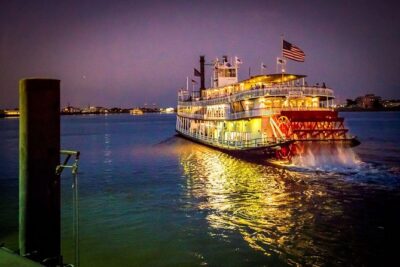
New Orleans Steamboat Natchez Jazz Cruise with Dinner Option
Read our review →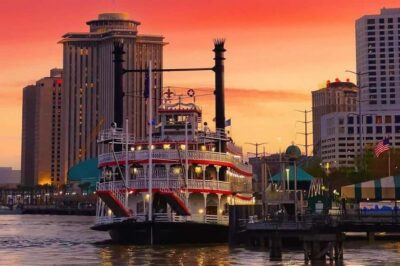
New Orleans: Evening Steamboat Jazz Cruise + Optional Dinner
Read our review →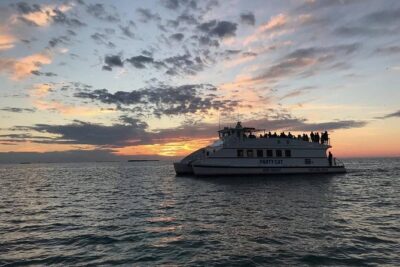
Key West Sunset Cruise: Dinner, Live Music & Drinks Included
Read our review →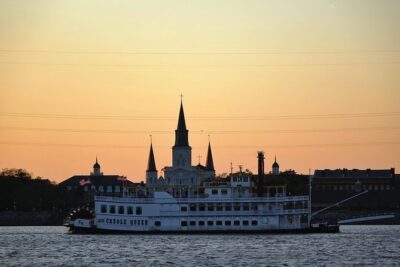
Paddlewheeler Creole Queen Jazz Dinner Cruise in New Orleans
Read our review →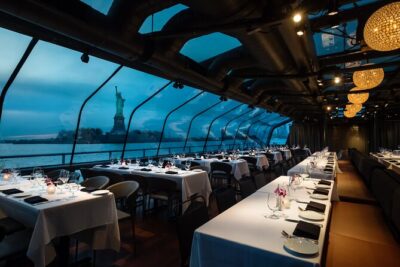
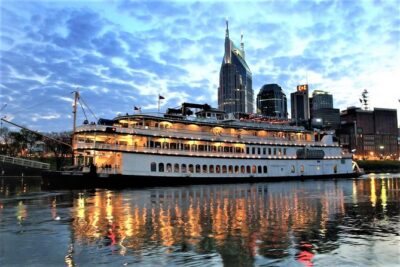
General Jackson Showboat Lunch or Dinner Cruise in Nashville
Read our review →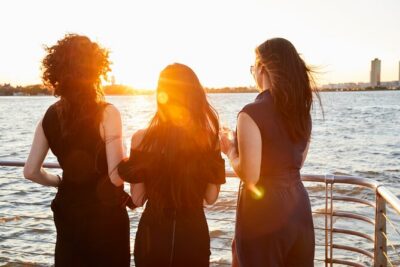
Moab: Colorado River Dinner Cruise with Music and Light Show
Read our review →Lists this dinner cruise appears in